Video Walls
Custom Residential & Commercial Video Wall Design, Installation & Integration in Southwest Florida


Custom Residential & Commercial Video Wall Design, Installation & Integration in Southwest Florida
Consultation
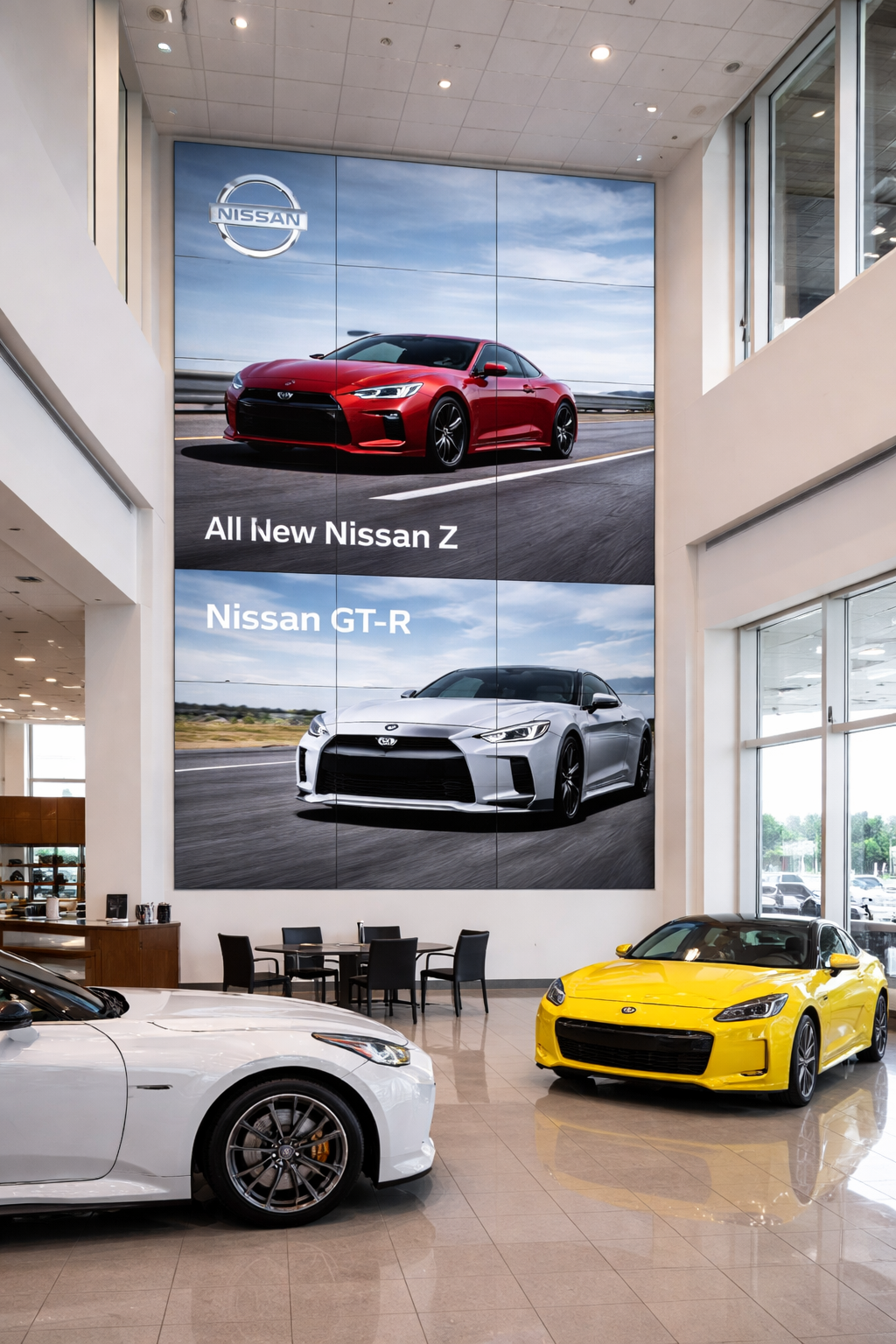
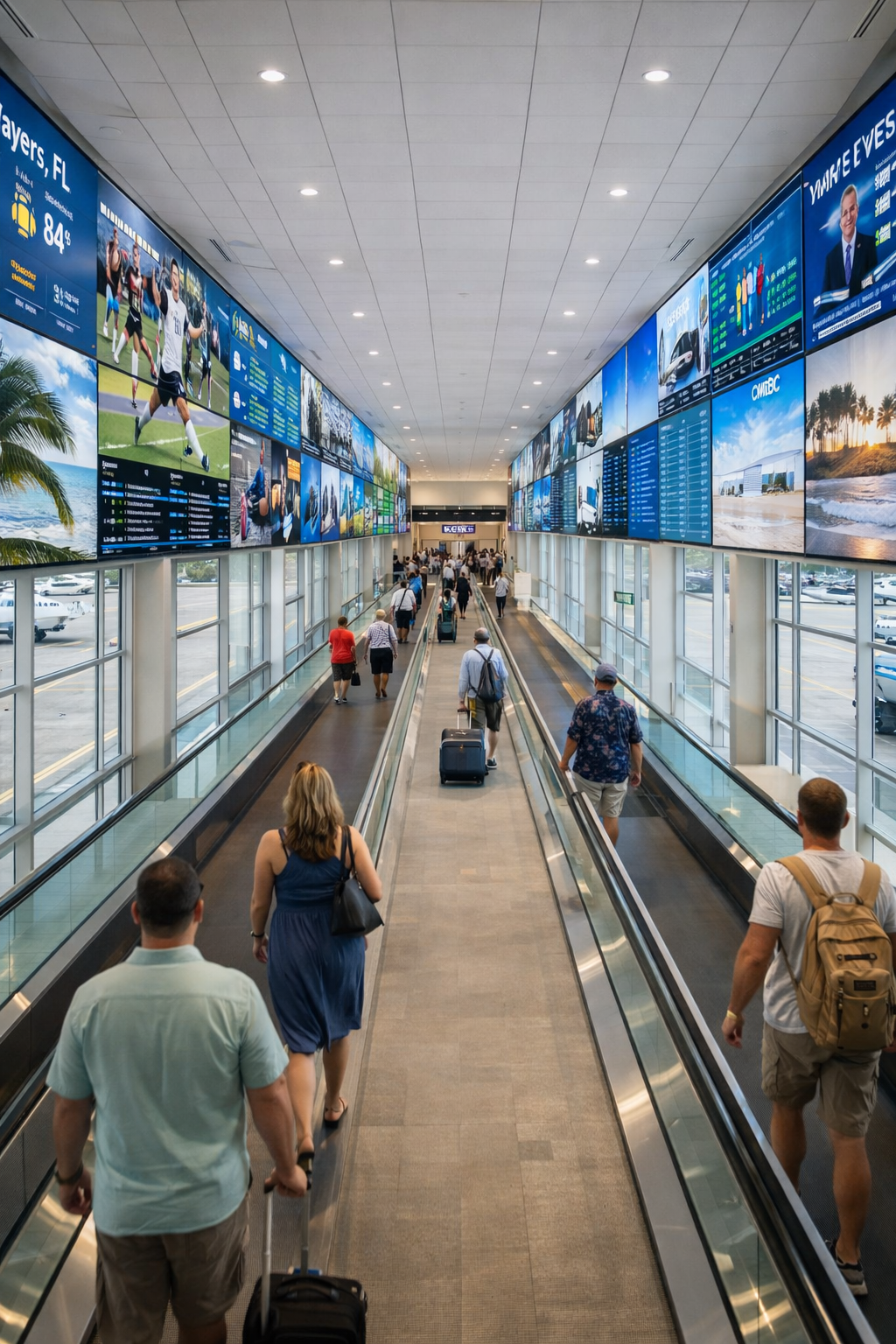
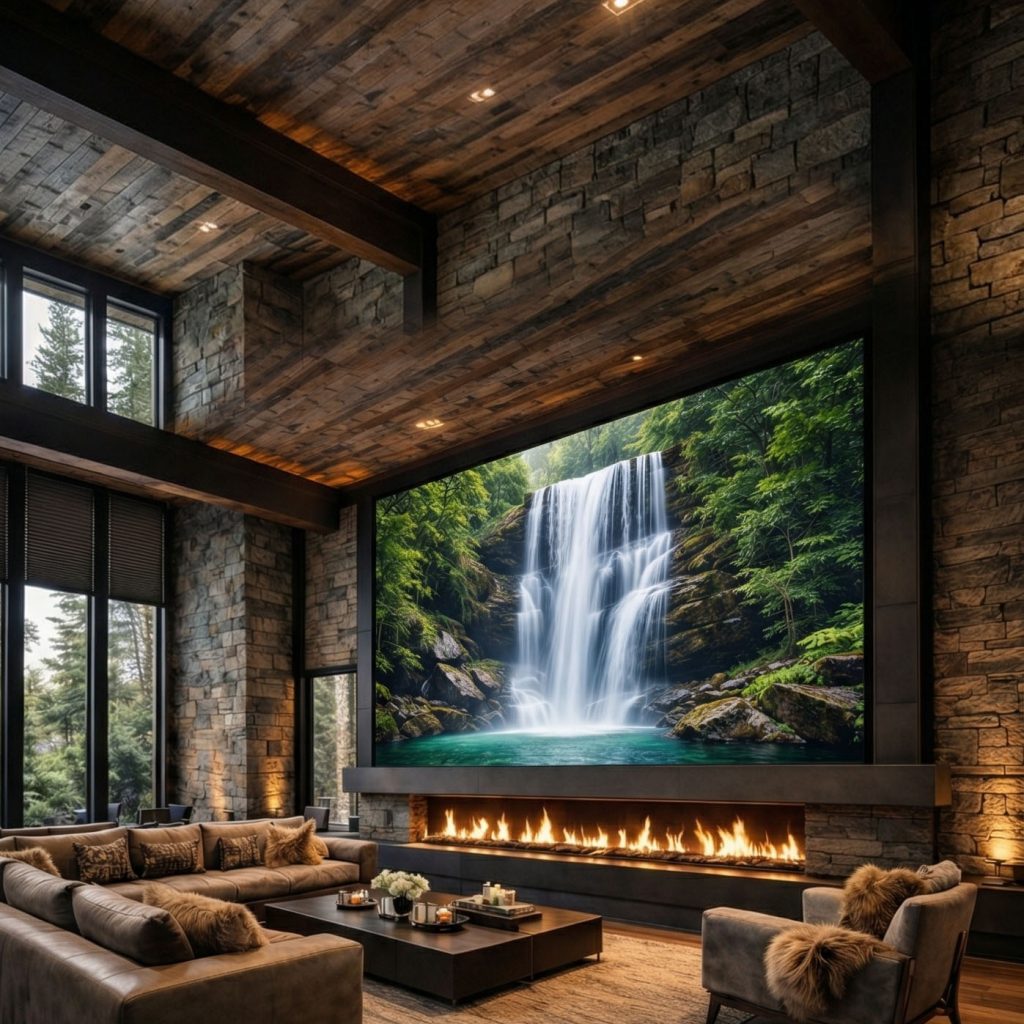
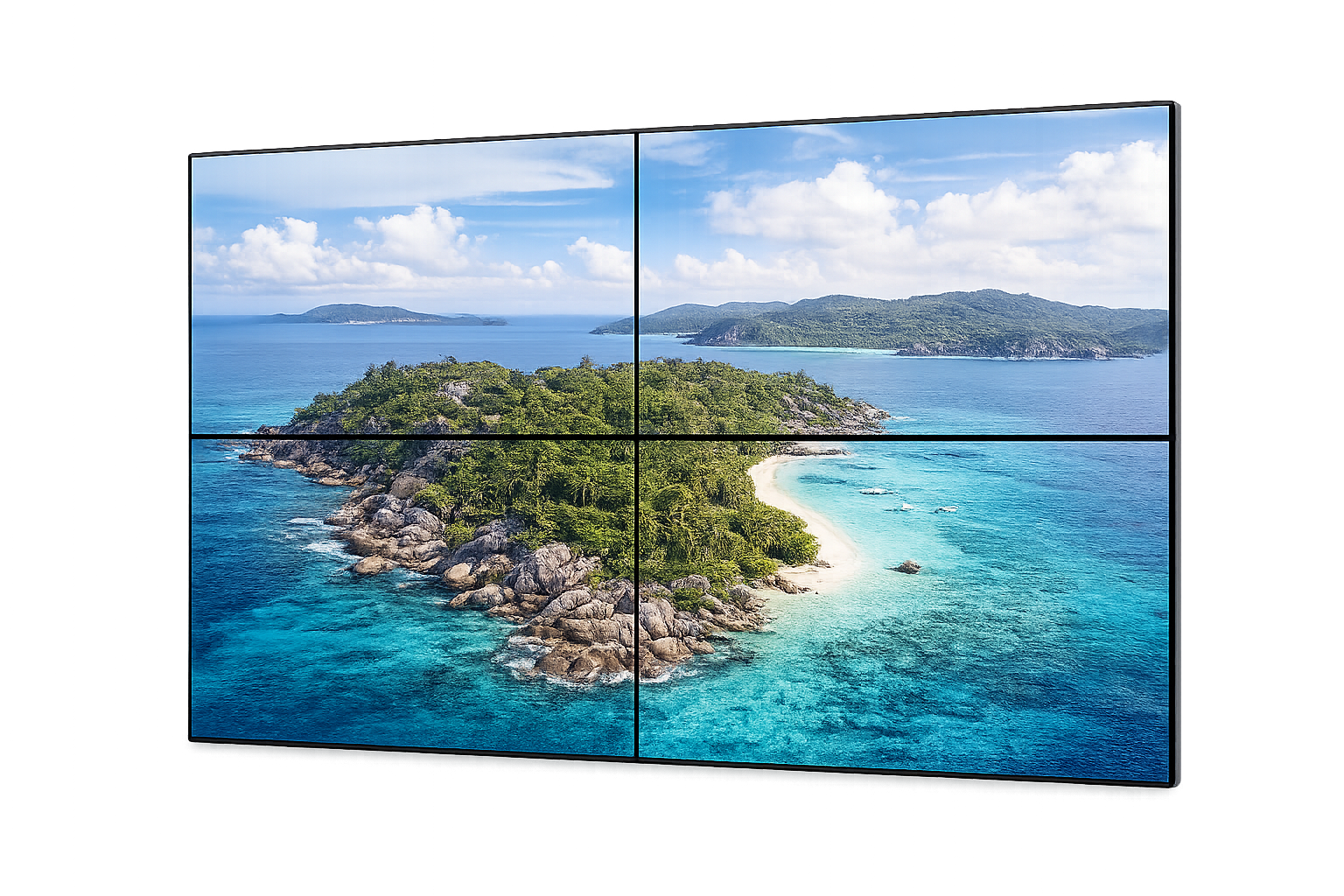
LCD video walls are one of the most common and cost-effective forms of digital signage, built using multiple professional-grade display panels arranged in a grid (such as 2×2, 3×3, or larger) and controlled by a video wall processor.
These systems function as a single large display, making them ideal for sports bars, restaurants, control rooms, retail environments, and conference spaces. LCD video walls are especially popular where high resolution and affordability are important.
A defining characteristic of LCD video walls is the presence of bezels—the thin borders between each display panel. While standard displays have noticeable seams, ultra-narrow bezel models significantly reduce the gap, creating a cleaner and more refined appearance. The thinner the bezel, the more seamless the final result—but also the higher the cost.
From a performance standpoint, LCD video walls offer excellent image clarity, sharp resolution, and reliable long-term operation. They are a strong choice for indoor environments where brightness requirements are moderate and budget plays a role in system design.
Best use cases include:
• Sports bars and restaurants
• Business dashboards and control rooms
• Retail digital signage displays
• Conference rooms and presentation spaces
• Multi-screen viewing environments
Pros:
• Lower cost compared to LED video walls
• High resolution and sharp image quality
• Scalable and flexible configurations
• Proven, widely used technology
• Ideal for indoor installations
Considerations:
• Visible seams (bezels) between panels
• Limited brightness compared to LED video walls
• Best suited for controlled lighting environments
• Less seamless appearance than LED or MicroLED
LCD video walls provide a practical and reliable digital signage solution, offering a strong balance between performance, scalability, and cost.
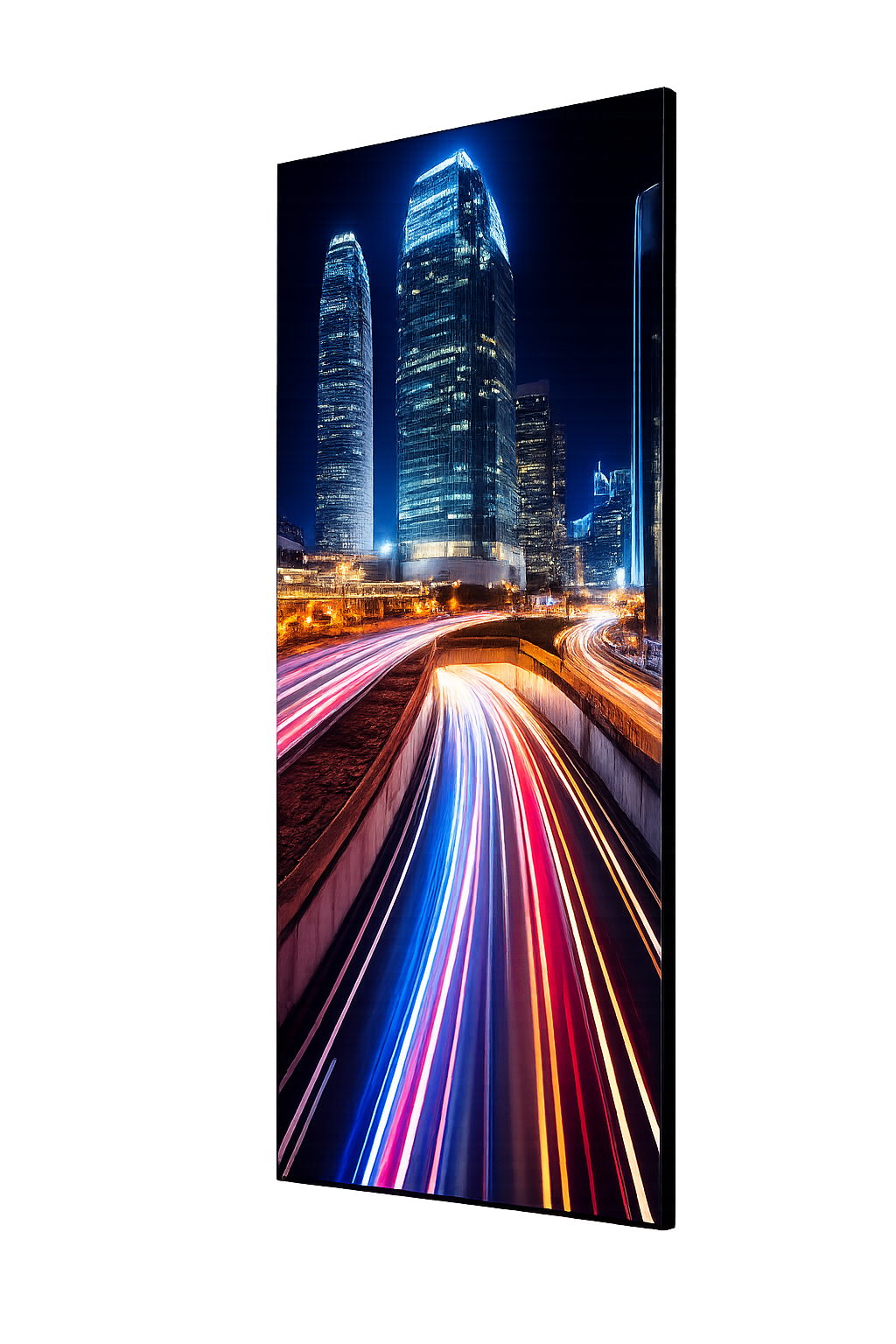
LED video walls are a premium form of digital signage, using modular direct-view LED panels to create a large-format display with little to no visible seams. Unlike LCD video walls, which use multiple panels with bezels between each screen, LED video walls deliver a more continuous, seamless image—making them ideal for high-end residential and commercial environments.
One of the biggest advantages of LED video walls is brightness, measured in nits. Higher-nit displays perform better in bright rooms, high-ambient-light environments, and spaces where glare would wash out traditional displays. This makes LED video walls an excellent choice for sports bars, storefronts, large open rooms, and any space where lighting conditions are not fully controlled.
Another critical factor is pixel pitch, which refers to the distance between individual LEDs. A smaller pixel pitch produces a sharper, more detailed image and is best for closer viewing distances. A larger pixel pitch is more cost-effective and works well when viewers are farther away. Choosing the correct pixel pitch is one of the most important decisions in designing a video wall system.
Compared to LCD video walls, LED video walls typically have a higher upfront cost, but they offer a more modern appearance, better brightness performance, and greater long-term visual impact. For clients looking for a clean, bezel-free look and premium performance, LED video walls are one of the best digital signage solutions available today.
Best use cases include:
• Sports bars and hospitality environments
• Luxury residential media rooms
• Corporate lobbies and presentation spaces
• Churches and event venues
• High-visibility commercial digital signage
Pros:
• Seamless or near-seamless image (no visible panel lines)
• Excellent brightness and visibility in any lighting condition
• Scalable to virtually any size or configuration
• Premium, modern appearance
• Strong impact for large-format displays
Considerations:
• Higher cost compared to LCD video walls
• Pixel pitch must match viewing distance for best results
• Requires proper system design, mounting, and processing
• Quality varies significantly between manufacturers
For clients who want a high-performance, visually seamless display, LED video walls provide one of the most powerful and flexible digital signage solutions available.
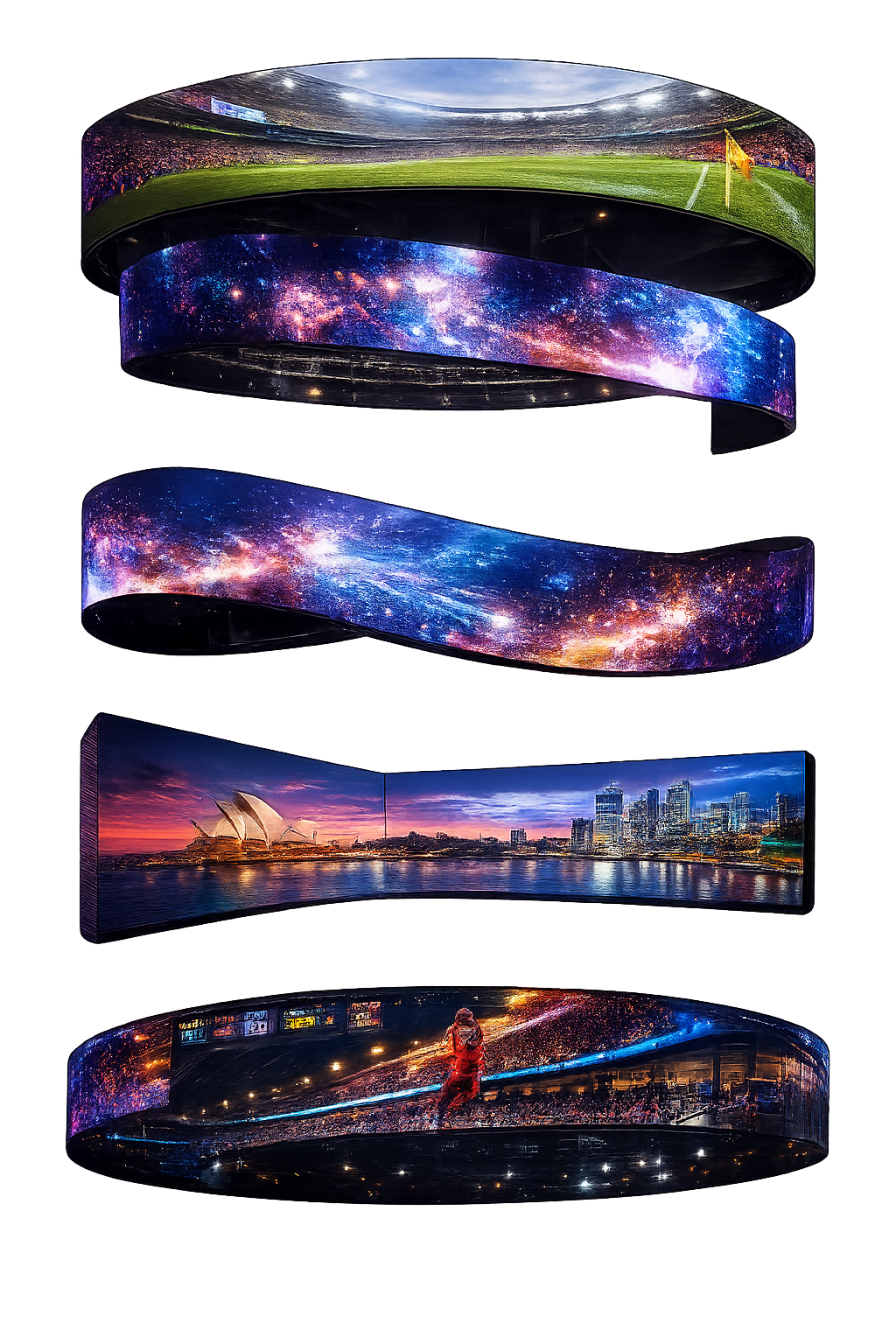
MicroLED video walls represent the most advanced and premium form of digital signage, delivering a completely seamless display with exceptional brightness, contrast, and image precision. Unlike traditional LED video walls, MicroLED uses microscopic LEDs that are significantly smaller and more densely packed, resulting in a sharper image, deeper blacks, and a truly high-end viewing experience.
Because each pixel is self-emissive, MicroLED video walls produce outstanding contrast and color accuracy without the limitations of backlighting. This allows for incredibly vibrant visuals, true blacks, and superior performance in both dark and bright environments. For clients who want the absolute best image quality available, MicroLED is at the top of the market.
MicroLED systems also eliminate many of the trade-offs found in other video wall technologies. There are no visible bezels like LCD video walls, and compared to standard LED systems, MicroLED offers tighter pixel pitch options, improved efficiency, and a more refined overall appearance. These systems are often used in ultra-luxury residential installations, executive spaces, flagship commercial environments, and high-end presentation areas.
While MicroLED video walls offer unmatched performance, they are also the most expensive option and require careful system design, calibration, and installation. This makes them best suited for clients who prioritize performance, aesthetics, and long-term investment over initial cost.
Best use cases include:
• Ultra-luxury residential media rooms
• High-end corporate and executive spaces
• Flagship retail and brand environments
• Premium sports bars and VIP areas
• Showpiece installations where visual impact is critical
Pros:
• Completely seamless display (no bezels or visible panel lines)
• Exceptional image quality with true blacks and high contrast
• Extremely high brightness with excellent color accuracy
• Ultra-fine pixel pitch for close viewing distances
• Premium, next-generation display technology
Considerations:
• Highest cost among video wall systems
• Requires precise design, installation, and calibration
• Longer lead times depending on manufacturer and configuration
• Best suited for high-end applications and larger budgets
MicroLED video walls are the pinnacle of modern video wall and digital signage technology, offering unmatched visual performance for clients who want the absolute best.
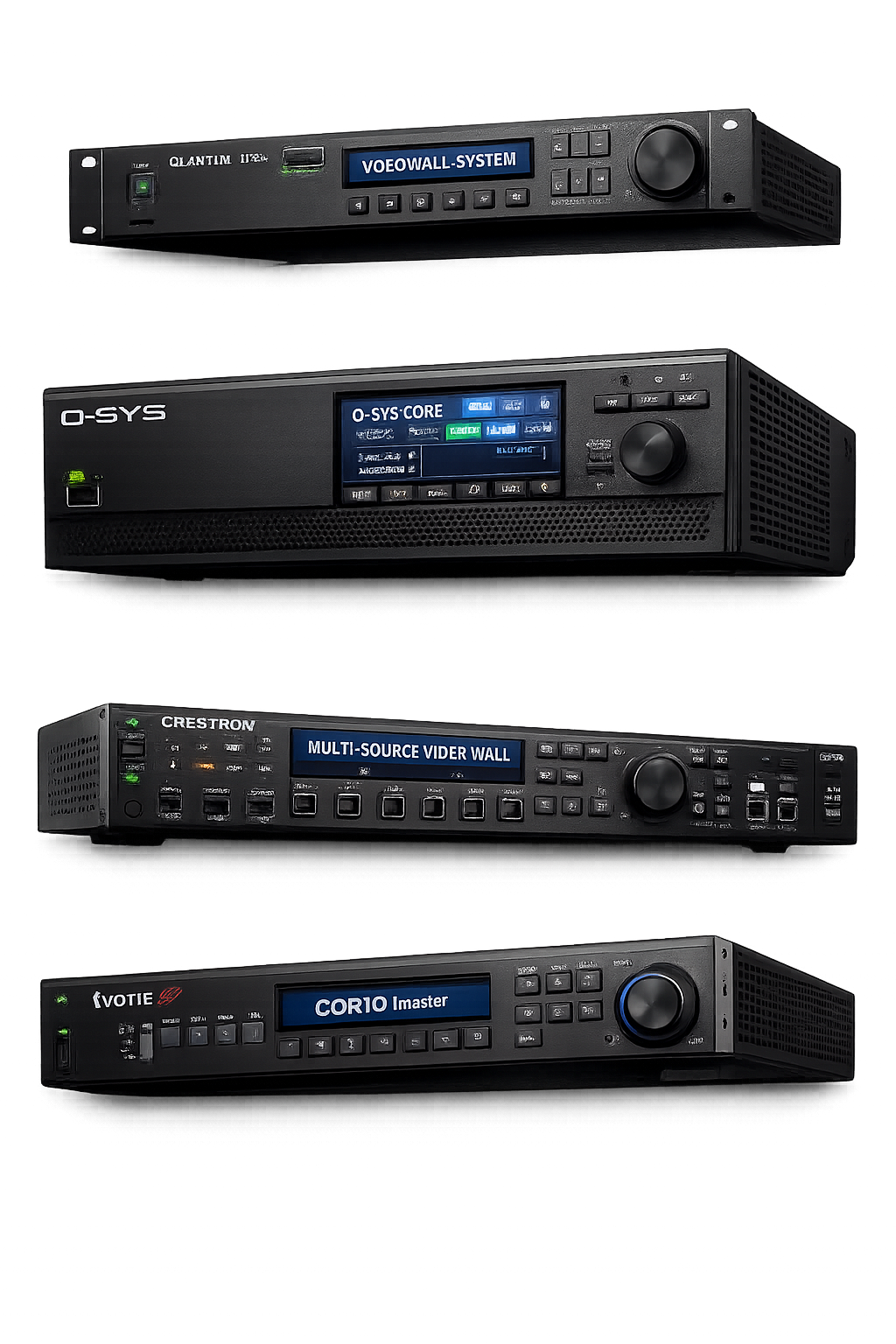
A professional video wall system is powered by a dedicated video wall processor—the technology responsible for distributing, scaling, and managing content across multiple displays or LED panels.
Unlike basic splitters or consumer-grade solutions, a true video wall processor allows for seamless content control, ensuring each screen works together as one unified display. Whether you’re running a 2×2 LCD video wall or a large-scale LED installation, the processor is what delivers smooth performance and flexibility.
Modern video wall systems can display multiple sources simultaneously, including live TV, security cameras, streaming content, dashboards, and presentations—all arranged in custom layouts across the screen.
The processor is what separates a basic multi-TV setup from a true professional video wall system. It ensures reliability, flexibility, and a polished viewing experience—especially in commercial environments where performance matters.
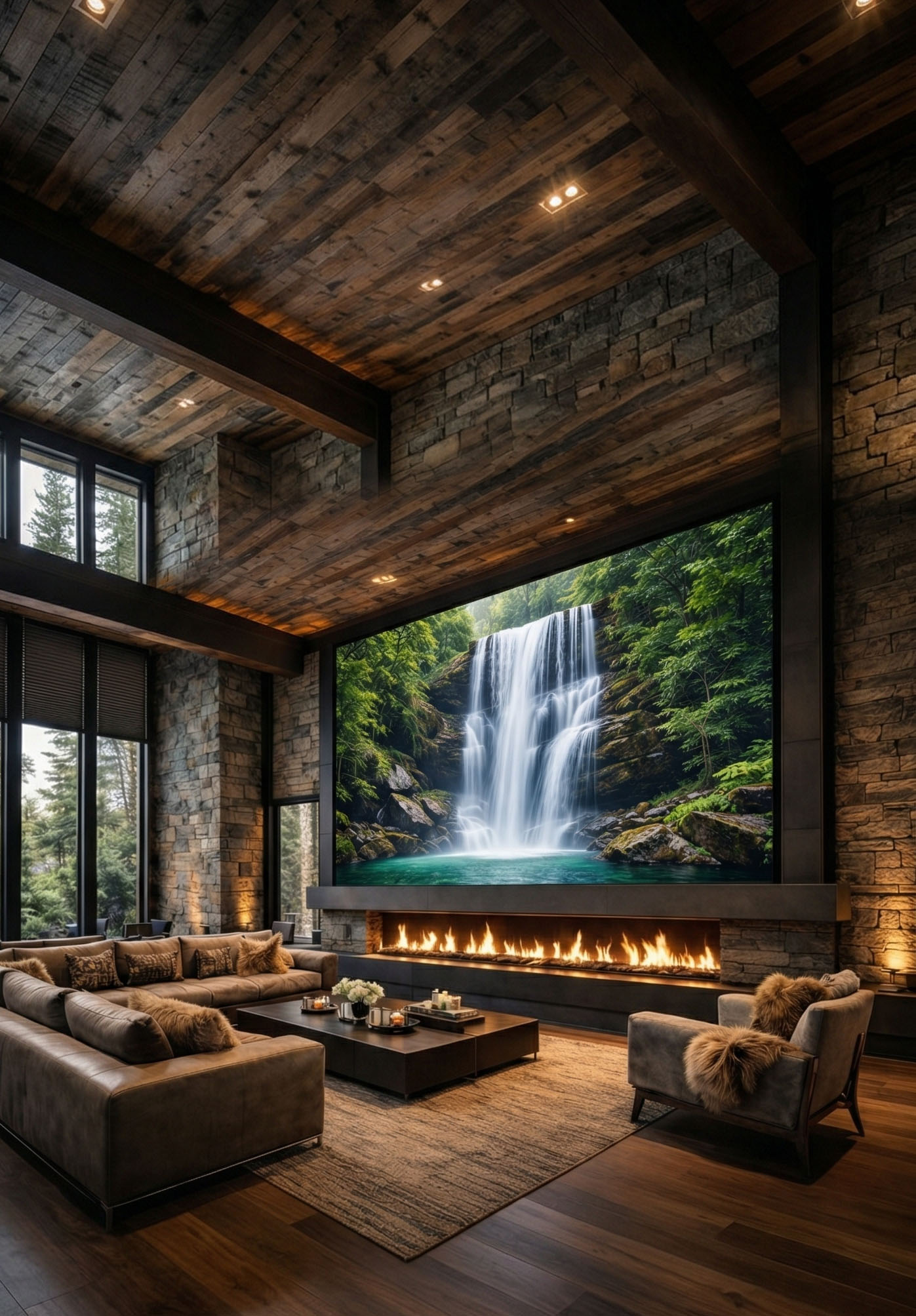
LCD video walls are one of the most common and cost-effective forms of digital signage, built using multiple professional-grade display panels arranged in a grid (such as 2×2, 3×3, or larger) and controlled by a video wall processor.
These systems function as a single large display, making them ideal for sports bars, restaurants, control rooms, retail environments, and conference spaces. LCD video walls are especially popular where high resolution and affordability are important.
A defining characteristic of LCD video walls is the presence of bezels—the thin borders between each display panel. While standard displays have noticeable seams, ultra-narrow bezel models significantly reduce the gap, creating a cleaner and more refined appearance. The thinner the bezel, the more seamless the final result—but also the higher the cost.
From a performance standpoint, LCD video walls offer excellent image clarity, sharp resolution, and reliable long-term operation. They are a strong choice for indoor environments where brightness requirements are moderate and budget plays a role in system design.
Best use cases include:
Sports bars and restaurants
Business dashboards and control rooms
Retail digital signage displays
Conference rooms and presentation spaces
Multi-screen viewing environments
Pros:
Lower cost compared to LED video walls
High resolution and sharp image quality
Scalable and flexible configurations
Proven, widely used technology
Ideal for indoor installations
Considerations:
Visible seams (bezels) between panels
Limited brightness compared to LED video walls
Best suited for controlled lighting environments
Less seamless appearance than LED or MicroLED
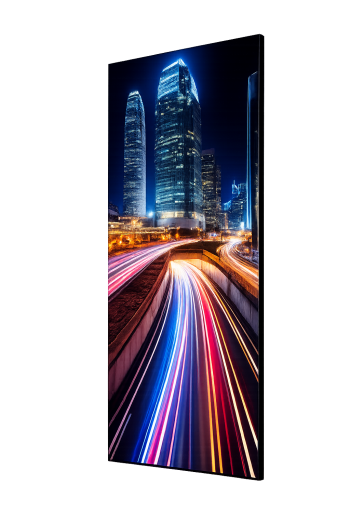
LCD video walls are one of the most common and cost-effective forms of digital signage, built using multiple professional-grade display panels arranged in a grid (such as 2×2, 3×3, or larger) and controlled by a video wall processor.
These systems function as a single large display, making them ideal for sports bars, restaurants, control rooms, retail environments, and conference spaces. LCD video walls are especially popular where high resolution and affordability are important.
A defining characteristic of LCD video walls is the presence of bezels—the thin borders between each display panel. While standard displays have noticeable seams, ultra-narrow bezel models significantly reduce the gap, creating a cleaner and more refined appearance. The thinner the bezel, the more seamless the final result—but also the higher the cost.
From a performance standpoint, LCD video walls offer excellent image clarity, sharp resolution, and reliable long-term operation. They are a strong choice for indoor environments where brightness requirements are moderate and budget plays a role in system design.
Best use cases include:
Sports bars and restaurants
Business dashboards and control rooms
Retail digital signage displays
Conference rooms and presentation spaces
Multi-screen viewing environments
Pros:
Lower cost compared to LED video walls
High resolution and sharp image quality
Scalable and flexible configurations
Proven, widely used technology
Ideal for indoor installations
Considerations:
Visible seams (bezels) between panels
Limited brightness compared to LED video walls
Best suited for controlled lighting environments
Less seamless appearance than LED or MicroLED
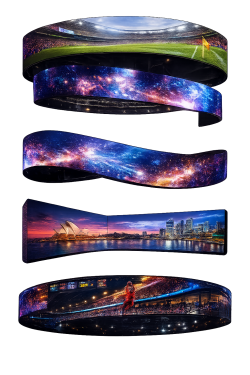
MicroLED video walls represent the most advanced and premium form of digital signage, delivering a completely seamless display with exceptional brightness, contrast, and image precision. Unlike traditional LED video walls, MicroLED uses microscopic LEDs that are significantly smaller and more densely packed, resulting in a sharper image, deeper blacks, and a truly high-end viewing experience.
Because each pixel is self-emissive, MicroLED video walls produce outstanding contrast and color accuracy without the limitations of backlighting. This allows for incredibly vibrant visuals, true blacks, and superior performance in both dark and bright environments. For clients who want the absolute best image quality available, MicroLED is at the top of the market.
MicroLED systems also eliminate many of the trade-offs found in other video wall technologies. There are no visible bezels like LCD video walls, and compared to standard LED systems, MicroLED offers tighter pixel pitch options, improved efficiency, and a more refined overall appearance. These systems are often used in ultra-luxury residential installations, executive spaces, flagship commercial environments, and high-end presentation areas.
While MicroLED video walls offer unmatched performance, they are also the most expensive option and require careful system design, calibration, and installation. This makes them best suited for clients who prioritize performance, aesthetics, and long-term investment over initial cost.
Best use cases include:
Ultra-luxury residential media rooms
High-end corporate and executive spaces
Flagship retail and brand environments
Premium sports bars and VIP areas
Showpiece installations where visual impact is critical
Pros:
Completely seamless display (no bezels or visible panel lines)
Exceptional image quality with true blacks and high contrast
Extremely high brightness with excellent color accuracy
Ultra-fine pixel pitch for close viewing distances
Premium, next-generation display technology
Considerations:
Highest cost among video wall systems
Requires precise design, installation, and calibration
Longer lead times depending on manufacturer and configuration
Best suited for high-end applications and larger budgets
MicroLED video walls are the pinnacle of modern video wall and digital signage technology, offering unmatched visual performance for clients who want the absolute best.
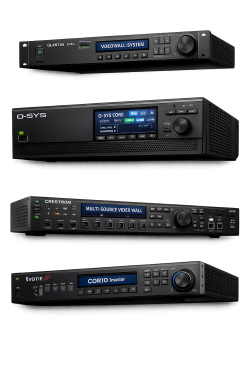
A professional video wall system is powered by a dedicated video wall processor—the technology responsible for distributing, scaling, and managing content across multiple displays or LED panels.
Unlike basic splitters or consumer-grade solutions, a true video wall processor allows for seamless content control, ensuring each screen works together as one unified display. Whether you’re running a 2×2 LCD video wall or a large-scale LED installation, the processor is what delivers smooth performance and flexibility.
Modern video wall systems can display multiple sources simultaneously, including live TV, security cameras, streaming content, dashboards, and presentations—all arranged in custom layouts across the screen.
Key Capabilities Include:
Multi-source input (cable boxes, streaming devices, PCs, cameras)
Custom screen layouts (full-screen, picture-in-picture, multi-zone)
Real-time content switching and scheduling
4K and high-resolution scaling across multiple displays
Remote control and automation integration (Control4, Crestron, etc.)
Best Use Cases:
Sports bars and restaurants managing multiple games
Corporate environments and control rooms
Retail digital signage systems
Hospitality and entertainment venues
Why It Matters
The processor is what separates a basic multi-TV setup from a true professional video wall system. It ensures reliability, flexibility, and a polished viewing experience—especially in commercial environments where performance matters.
How much does a video wall cost?
Video wall pricing depends on the type of system, size, resolution, and overall design. LCD video walls are typically the most cost-effective, while LED and MicroLED video walls are premium solutions with higher performance and flexibility.
Other factors that affect cost include pixel pitch, mounting requirements, and the video wall processor. Projects can range from a few thousand dollars for basic systems to six figures for large-scale or high-end installations.
Can video walls be customized to fit my wall or layout?
Yes. Video walls are highly customizable.
LCD systems can be arranged in configurations like 2×2, 3×3, or larger grids. LED and MicroLED video walls can be built to virtually any size or shape, including curved walls, columns, and wraparound designs.
Can I display multiple sources on a video wall at the same time?
Yes. Most professional video wall systems allow you to display multiple inputs simultaneously—such as cable TV, streaming devices, security cameras, or computers—arranged in custom layouts across the screen.
What are nits and how bright should a video wall be?
Nits are a measurement of brightness (candela per square meter) and determine how well a video wall performs in different lighting conditions.
Higher nit levels mean a brighter display, which is especially important in environments with strong ambient light such as storefronts, restaurants, or outdoor installations.
For indoor applications, lower brightness levels are typically sufficient. However, in bright environments, a higher-nit LED video wall ensures the image remains clear, vibrant, and easy to see.
Choosing the right brightness level depends on your space, lighting conditions, and how the video wall will be used. We design each system to ensure optimal visibility in real-world conditions.
What size video wall do I need for my space?
The ideal size depends on your wall dimensions, viewing distance, and intended use. Larger walls are not always better—proper scaling and resolution are critical for a clean, professional look.
We design each system to match your space and ensure the best balance of size, clarity, and performance.
Do you design the system or just install it?
We handle the entire process—from system design and equipment selection to installation, programming, and final setup—ensuring everything works together seamlessly.
What is the difference between LCD, LED, and MicroLED video walls?
LCD video walls use multiple commercial displays arranged in a grid, which creates visible seams (bezels) between panels. They are cost-effective and ideal for many indoor applications.
LED video walls use direct-view LED panels that create a seamless image with no visible lines. They offer higher brightness and more flexibility in size and shape.
MicroLED is the highest-end option, delivering unmatched image quality, brightness, and a completely seamless appearance, but at a significantly higher cost.
What are bezels and should I be concerned about them?
Bezels are the borders between individual LCD panels in a LCD video wall.
Smaller bezels create a cleaner look, but they are still visible. LED and MicroLED video walls eliminate bezels entirely, creating a seamless image.
How bright are LED video walls compared to TVs?
LED video walls are significantly brighter than traditional TVs, making them ideal for environments with high ambient light. This is why they are commonly used in storefronts, outdoor displays, and brightly lit commercial spaces.
What is pixel pitch and why does it matter?
Pixel pitch refers to the distance between each individual LED pixel, measured in millimeters. It is one of the most important factors in determining image quality and viewing distance.
A smaller pixel pitch (such as 1.2mm–2.5mm) creates a sharper, more detailed image and is ideal for close viewing environments like homes, conference rooms, and indoor spaces.
A larger pixel pitch (such as 4mm, 6mm, or higher) is more cost-effective and works well for large displays viewed from a distance, like sports bars or outdoor signage.
Choosing the correct pixel pitch ensures your video wall looks clear and professional based on how far viewers are from the screen.
Can a video wall be integrated with my existing system?
Yes. Video walls can be integrated with audio systems, automation platforms like Control4 or Crestron, and existing AV equipment.
This allows you to control everything from a single interface.
Video wall pricing depends on the type of system, size, resolution, and overall design. LCD video walls are typically the most cost-effective, while LED and MicroLED video walls are premium solutions with higher performance and flexibility.
Other factors that affect cost include pixel pitch, mounting requirements, and the video wall processor. Projects can range from a few thousand dollars for basic systems to six figures for large-scale or high-end installations.
Yes. Video walls are highly customizable.
LCD systems can be arranged in configurations like 2×2, 3×3, or larger grids. LED and MicroLED video walls can be built to virtually any size or shape, including curved walls, columns, and wraparound designs.
Yes. Most professional video wall systems allow you to display multiple inputs simultaneously—such as cable TV, streaming devices, security cameras, or computers—arranged in custom layouts across the screen.
Nits are a measurement of brightness (candela per square meter) and determine how well a video wall performs in different lighting conditions.
Higher nit levels mean a brighter display, which is especially important in environments with strong ambient light such as storefronts, restaurants, or outdoor installations.
For indoor applications, lower brightness levels are typically sufficient. However, in bright environments, a higher-nit LED video wall ensures the image remains clear, vibrant, and easy to see.
Choosing the right brightness level depends on your space, lighting conditions, and how the video wall will be used. We design each system to ensure optimal visibility in real-world conditions.
The ideal size depends on your wall dimensions, viewing distance, and intended use. Larger walls are not always better—proper scaling and resolution are critical for a clean, professional look.
We design each system to match your space and ensure the best balance of size, clarity, and performance.
We handle the entire process—from system design and equipment selection to installation, programming, and final setup—ensuring everything works together seamlessly.
LCD video walls use multiple commercial displays arranged in a grid, which creates visible seams (bezels) between panels. They are cost-effective and ideal for many indoor applications.
LED video walls use direct-view LED panels that create a seamless image with no visible lines. They offer higher brightness and more flexibility in size and shape.
MicroLED is the highest-end option, delivering unmatched image quality, brightness, and a completely seamless appearance, but at a significantly higher cost.
Bezels are the borders between individual LCD panels in a LCD video wall.
Smaller bezels create a cleaner look, but they are still visible. LED and MicroLED video walls eliminate bezels entirely, creating a seamless image.
LED video walls are significantly brighter than traditional TVs, making them ideal for environments with high ambient light. This is why they are commonly used in storefronts, outdoor displays, and brightly lit commercial spaces.
Pixel pitch refers to the distance between each individual LED pixel, measured in millimeters. It is one of the most important factors in determining image quality and viewing distance.
A smaller pixel pitch (such as 1.2mm–2.5mm) creates a sharper, more detailed image and is ideal for close viewing environments like homes, conference rooms, and indoor spaces.
A larger pixel pitch (such as 4mm, 6mm, or higher) is more cost-effective and works well for large displays viewed from a distance, like sports bars or outdoor signage.
Choosing the correct pixel pitch ensures your video wall looks clear and professional based on how far viewers are from the screen.
Yes. Video walls can be integrated with audio systems, automation platforms like Control4 or Crestron, and existing AV equipment.
This allows you to control everything from a single interface.
We are a professional video wall installation company serving Southwest Florida, specializing in custom-designed systems for commercial and high-end residential spaces. Whether you’re installing an LED video wall, LCD video wall, or a fully integrated display system, we handle the entire process—from system design and equipment selection to installation, programming, and final calibration.
Every project is engineered for the space it lives in. That means proper viewing distance, pixel pitch selection, brightness, and seamless integration with your existing systems. The result is a clean, high-performance video wall that looks right, functions flawlessly, and is built to last.
If you’re searching for a video wall installer near you, you’re not looking for guesswork—you need a system that works perfectly the first time. That’s what we deliver.
We design and install high-performance video wall systems for
commercial and residential spaces across Southwest Florida.
Every system is engineered based on real-world conditions —
viewing distance, pixel pitch, brightness, and integration with
your existing AV or control system.
The result: a clean, seamless video wall that performs exactly
the way it should
from day one.
We are a professional video wall installation company serving Southwest Florida, specializing in custom-designed systems for commercial and high-end residential spaces. Whether you’re installing an LED video wall, LCD video wall, or a fully integrated display system, we handle the entire process—from system design and equipment selection to installation, programming, and final calibration.
Every project is engineered for the space it lives in. That means proper viewing distance, pixel pitch selection, brightness, and seamless integration with your existing systems. The result is a clean, high-performance video wall that looks right, functions flawlessly, and is built to last.
If you’re searching for a video wall installer near you, you’re not looking for guesswork—you need a system that works perfectly the first time. That’s what we deliver.
We design and install high-performance video wall systems for commercial and residential spaces across Southwest Florida…
We design and install high-performance video wall systems for commercial and residential spaces across Southwest Florida.
Complete Video Wall Installation
System design and layout planning
LED and LCD video wall installation
Equipment selection and sourcing
Mounting, alignment, and calibration
Control system integration (Savant, BrightSign)
Built for Your Space — Not Guesswork
Every system is engineered based on real-world conditions — viewing distance, pixel pitch, brightness, and integration with your existing AV or control system.
The result: a clean, seamless video wall that performs exactly the way it should from day one.